

Types of Herbal Teas and Their Benefits


GREEN TEA
Green tea, also known as unoxidized tea, is made solely from the leaves of the camellia sinensis plant. The leaves are plucked, slightly withered, then immediately cooked to preserve the green quality and prevent oxidization.
HISTORY OF GREEN TEA
Although written records trace the cultivation of green tea as far back as the Han Dynasty (206-220), when its primary use was medicinal, it wasn’t until China’s early Tang Dynasty (600-900) that we hear of green tea being consumed for pleasure. During this time, green tea was only distributed in compressed cakes for easy transport.
During the Tang Dynasty, there was a groundbreaking book written about the art of green tea drinking called the “The Classic of Tea” or “Cha Jing” by Lu Yu. It is considered one of the most important books of its time because it was one of the first all-inclusive explorations of green tea culture as a whole. It was also during this time that the formal tea ceremony came into being; a ritual, in part due to the tools necessary for preparation, accessible only to the wealthy elite. Because of this, green tea consumption became a symbol of status in society.
BENEFITS OF GREEN TEA
-Reduces risk of cancer and heart disease
-Promotes weight loss

OOLONG TEA
Oolong (Wu-lung) tea originates from China and is actually transliterated from two words meaning “black” and “dragon” in English. It’s made from the leaves of the Camellia sinensis plant, the same plant used to make green tea and black tea. The difference is in how the tea is processed.
OOLONG TEA BENEFITS
-Boosts Metabolism
-Improves Mental Alertness
HISTORY OF OOLONG TEA
There are numerous theories about how oolong tea came to be but Oolong teas reached the height of their popularity during the Qing dynasty, with the introduction of Ti Quan Yin, or Iron Goddess of Mercy, to the emperor Qian Lung, who was so enamored by the beauty of the tea that word of it quickly spread. This was also about the time that the gongfu ceremonial method of serving tea came about and played an instrumental role in political and modern warfare during that period. Oolong tea was usually served out of special handmade teapots made out of purple clay called Yixing teapots. These were designed to be used with one type of tea only in order to season the teapot and avoid cross-contamination of flavors.

CHAMOMILE TEA
Chamomile (Matricaria recutita L.), commonly known as German chamomile, is an important medicinal and aromatic plant. The plant belongs to the daisy (Asteraceae) family and the flowers have a characteristic herbaceous fragrance. The flowers are actually not individual flowers but inflorescences. Throughout this book, the word f lowers would be used to denote the inflorescences or capitula. The name Chamomile is derived from two Greek words: Khamai meaning “on the ground” and melon meaning “apple.” Pliny the Elder mentioned that the plant has an apple-like smell (Franke 2005), and the name is attributed to the Roman chamomile, the flowers of which have an apple-like aroma (Hanrahan and Frey 2005; The Columbia Encyclopedia 2012). The Roman chamomile (Chamaemelum nobile [L.], earlier known as Anthemis nobilis [L.]), also belongs to the family Asteraceae and looks similar to the German chamomile. Chamomile tea is made from dried chamomile flowers.
BENEFITS OF CHAMOMILE TEA
-Reduces bloating, headaches, stress, and tension.
-Boosts immune system
HISTORY OF CHAMOMILE TEA
It has been used since the time of Hippocrates, the father of medicine, in 500 bce. The ancient Greeks, Egyptians, and Romans regularly used the chamomile flowers to treat erythema and xerosis caused because of dry weather (Baumann 2007) and as a calming beverage in the form of tea or tisane (Lissandrello 2008). Several eminent scientists of ancient times, such as Hippocrates, Pliny, Dioscorides, Galen, and Asclepiades studied the plant and passed on their knowledge to the subsequent generations through their writings (Salamon 1993). Hippocrates described chamomile as a medicinal plant and chamomile tea was recommended by Galen and Asclepiades (Carle and Gomma 1991/92). During the same period, Mathiolus/ Peter Ondej Mathioli described chamomile in his Latin herbarium (Salamon 1993), where he listed the essential oil of chamomile as a remedy against spasms (Carle and Gomaa 1991/92). Chamomile came into widespread use during the medieval age. It was extensively prescribed by the doctors of the sixteenth and seventeenth centuries for intermittent fevers (Antonielli 1928, as cited in Singh et al. 2011). In 1593, Bock described that chamomile flowers were used in all kinds of medicines and in 1664, Tabernaemontanus reported that chamomile was used in medicine in the form of plasters, ointments, pouches, and medicinal baths. In 1488, Saladin von Asculum described the blue oil of chamomile for the first time. In 1500, Heironimus Brunschwig described the distillation of chamomile oil (Franke 2005).
WHITE TEA
White tea is comprised of new, young tea leaves and buds from the camellia sinensis plant and is only harvested for a few weeks each spring in the northern district of Fujian, China. The leaves are generally picked in mid-March to early April and only on days when it is not rainy or humid. Just like champagne, white tea can only be called “white tea” if it comes from the Fujian province. White tea gets its name from a silvery type down that covers the leaves and unopened buds, known as “Hao.”
BENEFITS OF WHITE TEA
- Highest antioxidant properties
-Relieves stress
-Low caffeine
HISTORY OF WHITE TEA
For many years it was believed that white tea was discovered during the Song Dynasty (920-1269), however, even earlier references to white tea have been traced as far back as the Tang Dynasty (618-907). At that time in history, white tea preparation was a very different experience than it is today: early harvest white tea leaves appeared solely in compressed cakes and broken pieces were steeped in earthenware kettles. Although white tea was popularized and widely revered in the Song Dynasty (960-1269), it was relatively unknown to the rest of the world until very recently. Only royals were allowed to consume white tea and it is rumored that it could only be served as a “tribute” to the emperor by virgins with white gloves as a symbol of honor and respect. One emperor, Hui Zong, became so enamored by white tea that it literally cost him most of his empire. During this time, ceremonial methods of preparing white tea were very similar to the traditional Japanese tea ceremony for matcha; typically in powder form and whisked in wide ceramic bowls.

BLACK TEA
Camellia sinensis assamica is a larger-leafed varietal of the tea plant that is typically used to produce black tea. Originating in the Assam district of India, it grows in warm, moist climates and is prolific in sub-tropical forests. Black tea, also known as “red tea” in China for its rich, reddish infusion, is unique in that it is comprised of two different forms of the camellia sinensis plant: camellia sinensis sinensis and camellia sinensis assamica. Camellia Sinensis Sinensis yields shorter leaves and is primarily used in China and other neighboring East Asian countries. Camellia Sinensis Assamica has larger leaves and is used in parts of India and Sri Lanka. Dry black tea leaves are 100% oxidized, leaving them with a blackened color, thus earning its namesake. While the method in which it is produced varies from region to region, the process always involves withering, rolling, oxidization, and drying.
BENEFITS OF BLACK TEA
-Improve cardiovascular health
-Regulates blood sugar levels
HISTORY OF BLACK TEA
Until the mid 17th century (Late Ming, Early Qing Dynasty), the only teas consumed in China were green (unoxidized) and oolong (semi-oxidized) teas. The tale goes that while a passing army entered the Fujian province, they decided to take shelter at a nearby tea factory. This held up production at the tea factory, where leaves were left out in the sun, causing them to oxidize for a longer period of time and resulting in darker leaves. In an effort to accelerate the drying time, they decided to smoke the leaves over pinewood, thus creating Lapsang Souchong, which became one of the very first black teas. Although compressed, post-fermented teas (pu-erh) were already known as “black teas” in China, the term was usurped by Dutch and British traders who began identifying Chinese “red teas” as “black teas” because of the color of the dark, dry leaves. Even to this day, Chinese “red tea” is still referred to as “black tea” in the Western world.

CHAI TEA
Chai is steeped in a rich history. The name “chai” is actually the Hindi word for “tea”, which was derived from “cha”, the Chinese word for “tea”. In this case, the Hindi term chai means a mix of spices steeped into a tea-like beverage. Recipes for chai vary across continents, cultures, towns and families. But the traditional ingredients of a spiced tea blend usually include black tea mixed with strong spices, like cinnamon, cardamom, cloves, ginger and black peppercorns. The spiced tea mixture is typically brewed strong with milk and sweetened with sugar or honey.
Tea: The Assam and Darjeeling black teas native to India are most popular to use as a chai base. But you’ll also find chai made with various types of green teas, the South American herb yerba mate or the South African herb red rooibos. You may also find completely herbal blends made only from spices and containing no tea leaves.
Sweetener: White sugar, brown sugar and honey are typical chai sweeteners, but other sugars, like demerara, turbinado or coconut, may also be used. Jaggery, an unrefined cane sugar, is a popular sweetener used in parts of India.
Milk: Indian chai is often made with buffalo milk. But the more Western version that we are used to is typically made with cow’s milk or dairy alternatives, like soy, almond, rice and coconut milks. You may also find yak or goat milk in other chai beverages around the world. Some recipes will have you steep a strong chai in water and then dilute it with milk. Other recipes have you simmer the chai spices in a mixture of water and milk or in all milk.
Spices: The spices, or “masala”, used in chai will vary by region, climate and cultural preference. Traditionally, cardamom, ginger, cloves, cinnamon and black peppercorns were dominant chai spices and all readily available in India. Vanilla, nutmeg, mace, star anise or fennel may also be seen in some traditional recipes. As chai moved west, bay leaf, allspice, cacao or saffron became popular additions. Coriander and cumin may also show up in some recipes.
BENEFITS OF CHAI TEA
-Reduces blood sugar levels
-Aids in digestion and weight loss
HISTORY OF CHAI TEA
Legend has it that the origin of chai dates back more than 5,000 years, when a king in what is now India ordered a healing spiced beverage be created for use in Ayurveda, a traditional medicinal practice in which herbs and spices are used for healing. The heat from ginger and black pepper was believed to stimulate digestion; the antiseptic properties in cloves were thought to help relieve pain; cardamom was used as a mood elevator; cinnamon supported circulation and respiratory function; and star anise was known to freshen the breath. As the healing beverage spread across India a wide variety of spices were used to prepare the drink, depending on the region of the continent or even the neighborhood where the beverage was being made.
HIBISCUS TEA
Hibiscus tea, made from dried parts of the hibiscus plant, is deep red in color.
BENEFITS OF HIBISCUS TEA
-Prevents hypertension and respiratory disease
-Lowers blood pressure
HISTORY OF HIBISCUS TEA
In the 19th and 20th centuries, the whole hibiscus plant was used in Malay medicinal practices to treat venereal disease, fever and painful eyes. Hibiscus tea was used as an expectorant for bronchitis and its leaves were applied to boils and sores to speed up the healing process.

GINGER TEA
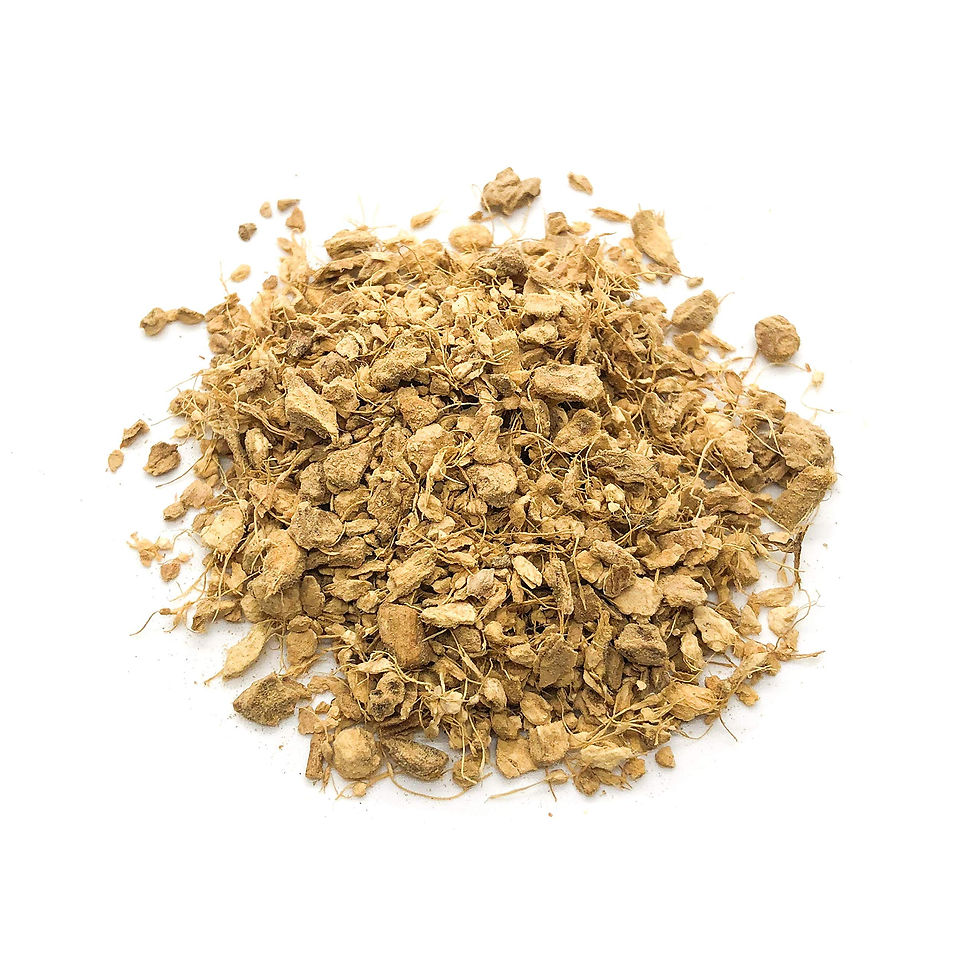
Ginger is the rhizome (the underground stem) of the plant Zingiber officinale, which includes other notable family members such as turmeric, cardamom and galangal.
BENEFITS OF GINGER TEA
-Remedy of nausea, upset stomach, bloating, and sore throat
HISTORY OF GINGER TEA
Ginger was first introduced in Europe around 800 AD and ranked second to pepper as a culinary spice for centuries. Ginger has been used as a healing herb in Ayurveda for thousands of years. Ayurveda is a traditional Hindu system of medicine that uses diet, herbal treatments and yogic breathing as part of a holistic approach to healing. Ayervedic practitioners recommend ginger to treat a variety of ailments, including nausea, rheumatism and arthritis.
PEPPERMINT TEA
Peppermint tea is made by infusing peppermint leaves in hot water. You can also make spearmint tea using spearmint leaves. Peppermint leaves contain several essential oils that are released when steeped in hot water, including menthol, menthone and limonene.
BENEFITS OF PEPPERMINT TEA
-Relieves digestive tract discomfort
- Relieves nausea and cramping
HISTORY OF PEPPERMINT TEA
The first record of peppermint tea usage can be seen from Ancient Egyptians when they found some dried peppermint tea leaves in various pyramids, way back in 1,000 BC. Ever since the rise of Ancient Egyptians, peppermint teas became widely popular as a remedy for indigestion. As a matter of fact, the first record of dried peppermint leaves was found in some pyramids in Egypt. Other than Ancient Egyptians, ancient Greeks and Romans also utilized dried peppermint leaves and used them as stomach soothers. They drank peppermint tea to relieve themselves from nausea and vomiting because the tea has soothing effects on the stomach. This is all thanks to peppermint tea's anti-bacterial and anti-inflammatory properties.

MATCHA TEA
Japanese Matcha tea is a fine powder made from green tea leaves. Like all tea, Matcha is made from the tea plant Camellia sinensis. Tea cultivated specifically for Matcha is primarily grown in two Japanese regions: Uji in Kyoto and Nishio in the Aichi prefecture.
BENEFITS OF MATCHA TEA
-Fat burning and immunity booster
-High in antioxidants
HISTORY OF MATCHA TEA
The history of green tea in China goes back to 8th century and the method of making powdered tea from steam-prepared dried tea leaves, became popular in 12th century. That is when matcha was discovered by a Buddhist monk, Myoan Eisai, and brought to Japan. Esai realized that drinking matcha improved his Zen meditation sessions by producing a state of calm alertness. (Today we know this is thanks to the interaction of matcha’s caffeine and L-theanine). As the benefits of matcha become more widely recognized it became the basis for the sophisticated art of Japanese Tea Ceremony or “chado.”
Drinking matcha not only aided the meditation efforts of Zen monks but also became a means in attaining enlightenment itself. Sacrificing a bowl of the drink to Buddha was part of everyday temple practices. A modest form of the tea ceremony, which has survived to this day and its message of beauty contained in the simplicity evokes admiration also in the West, has emerged in the 16th century. It was a response to the ornate and sumptuous style that the Japanese aristocracy was particularly fond of and copied the Chinese patterns. Radical simplicity was encouraged, among other things, by monk Murata Shuko, who attained enlightenment at the moment when he realised that the eternal law of the Buddha is revealed by a mere gesture of filling the bowl with hot water. The beauty of the tea ceremony comes from harmony that arises between the minds of the host and their guests. The spirit of the tea is expressed in four concepts: peace, purity, respect and the above-mentioned harmony. A ceremony conducted in a proper way frees from worries, shows the perfection of nature and human activities.

JASMINE TEA
Jasmine tea is made by infusing tea leaves with jasmine flower blossoms. Jasmine tea can be made using any of the true teas from the Camellia sinensis plant as a base. Jasmine tea is usually made from green tea leaves or leaves that have not been fermented, but the tea can also be made from black tea leaves (that have been fully oxidized), oolong tea leaves (partially oxidized), or white tea made from new growth buds and young leaves.
BENEFITS OF JASMINE TEA
-Weight loss aid
-Relieves stress
-Improves immune system
HISTORY OF JASMINE TEA
First produced in China over 1,000 years ago, jasmine tea’s scenting process began during the South-Song Dynasty in China and was further developed under the Ming Dynasty. By the early 20th century, the blend was popular enough to become a fast-moving trade item. High demand increased production costs when the jasmine flowers had to be planted in pots and moved indoors to stay warm over the winter. Though Taiwan got a taste for jasmine blends and began cultivating their own flowers in the late 19th century, China is still regarded as the best producer of this particular tea blend.

DARJEELING TEA
Darjeeling tea is made from the Chinese variety of the tea plant Camellia sinensis. It is a thin, light-colored tea with a floral aroma. The tea plant, like most plants, goes through periods of growth and periods of dormancy.
DARJEELING TEA BENEFITS
-Packed with flavonoid and antioxidants
-Promotes good heart health
HISTORY OF DARJEELING TEA
Most of the tea bushes in Darjeeling owe their origin to tea seeds from China “smuggled” out by famous Scot adventurer and botanist Robert Fortune nearly 200 years ago. They followed a torturous winding path – like the roads here – of skewed global trade and politics of the colonial era. By 1850 annual consumption of tea in Britain was already at around two pounds per person. Even as the Victorian England demanded its brew, the English traders were wary of having to depend upon China as a sole supplier. They had gone beyond looking for alternative supply sources; they wanted their very own source. This is what changed the course of Darjeeling forever – from being just a hamlet of few houses in remote fastness of Himalayas, to a hill resort and finally to a producer of world famous tea.




Comments