

12 Ways to Live More Sustainable

Updated: Dec 1, 2022

Think mindfully before shopping!
“Reduce, Reuse, Recycle” is just as important today as when the phrase was first coined. Every product we purchase has an environmental footprint, from the materials used to create it to the pollution emitted during manufacturing to the packaging that ends up in landfills. Before you buy anything, ask yourself if you really need it. If you do, consider buying gently used instead of new, and look for minimal and eco-friendly packaging and shipping.
Big Purchases = Big Environmental Benefits
If you’re in the market for a new car or home, look for a fuel-efficient model and a energy efficient home — you’ll save thousands on gas money and utility bills and reduce your carbon footprint over the years. If you’re buying a new refrigerator, washer or dryer, look for the Energy Star label to find the most efficient appliances. Need a new water heater? Consider upgrading to solar.
Eliminate Plastic Out of Your Lifestyle
Remembering that plastic NEVER goes away will help you to be more mindful of how you buy things. You can start cutting down on your plastic waste in a few simple steps:
1. use reusable bags when you shop
2. ditch single-use water bottles, bags, and straws
3. avoid products made from or packaged in plastic whenever possible (e.g., select unwrapped produce at the grocery store, shop local, cut down on online shopping).
This list is just a soft start and understanding that today billions of pounds of plastic can be found in swirling convergences making up about 40 percent of the world’s ocean surfaces. Every year thousands of seabirds, sea turtles, seals and other marine mammals are killed after ingesting plastic or getting tangled up in it will help motivate you to do better by our earth. Go #PlasticFree!
Boycott Products that Endanger Wildlife
To avoid contributing to the endangerment of wildlife, shop conscientiously and look for products made from sustainable materials like bamboo and dine at restaurants that refuse to serve imperiled species.
Pay Attention to Labels
Choose Fair Trade certified goods when possible to support companies dedicated to sustainable production and paying laborers a fair wage. Buy organic food whenever possible; it may cost a little more, but it keeps harmful pesticides out of our land and water, protecting farm workers, wildlife and your family.
Be Water Wise
Drink tap water! It is free and have won more taste and quality test than most leading water brands. Water conservation is also critical, especially as our growing population puts increased demand on the nation’s water sources and we face unprecedented droughts. You can conserve water by taking shorter showers, fixing leaky toilets, and choosing low-flow and low-water appliance options. Also, consider xeriscaping your yard, a landscaping technique that uses native, drought-adapted plants that require less water and maintenance over time, and provide habitat and food for birds and bees.
Drive Less and Drive Green
Changing your driving habits can dramatically reduce your carbon footprint. Walk, bike, carpool or use public transportation whenever possible. Combine errands to make fewer trips. Participate in, or start, car-free days in your community. It’s also important to keep your car in shape with regular tune-ups and tire inflations. Tune-ups can increase your fuel efficiency by 4 percent to 40 percent, and if every American kept his or her tires inflated, gas use nationwide would decrease by 2 percent.
Turn your home Green
Make sure your home has adequate insulation and energy-saving windows, and use a programmable thermostat for more efficient heating and cooling — and, of course, energy-saving lightbulbs for more efficient lighting. Many states now offer incentives to help you green your home or rental at low or no cost. Call your energy provider to see if it offers free energy audits or knows of a company that does.
Choose Natural Energy
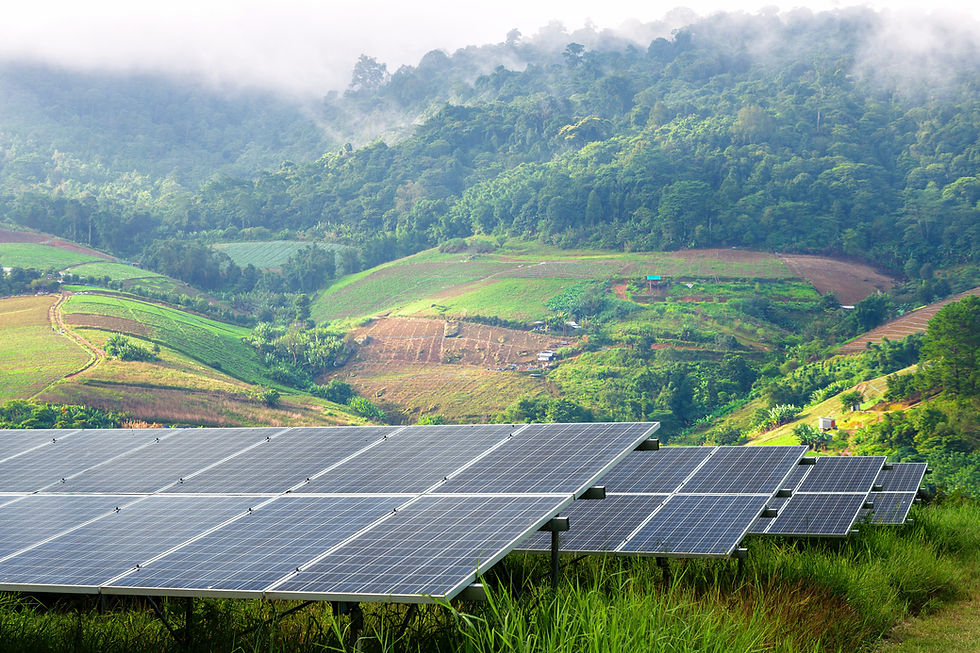
If your state allows you to pick your electricity supplier, use a Green-e certified company that generates at least half its power from wind, solar and other clean sources. Also explore the options — and tax credits — for installing rooftop solar panels or solar water heating in your home. Depending on your productivity, you can even add clean power to the grid, further offsetting your carbon footprint.
Go Vegan or Add More Vegan to Your Diet
Meat production is one of the most environmentally destructive industries on the planet, responsible for massive amounts of water use, pollution, greenhouse gas emissions and habitat destruction. You have three chances a day to improve the health of the planet — by reducing your meat consumption you can reduce your environmental footprint.
Fun Fact: Nearly 40 percent of edible food in the United States goes to waste -- wasting all of the natural resources that went into producing it. Prevent food waste with smart, planned shopping and creative ways to consume what you purchase.
Use Your Voice and Your Vote
One of the best things you can do for wildlife and the planet, today and for the future, is to get politically involved in your community and at the national level. Vote for candidates with strong environmental platforms. Urge your representatives to pass stronger policies to limit greenhouse gases, fight climate change, protect our wildlife and public lands and support access to reproductive health services. Better education and access to family-planning services decreases family size and our overall carbon footprint, helping children and wildlife thrive. Sign and share action alerts, attend events, and talk to your friends about endangered species protection and the need to address human population growth and overconsumption.


Comments